E‑commerce Fulfillment, Warehousing

Why Cost Per Order (CPO) Is the Most Important Metric in 3PL — and How It Helps Businesses Plan Better

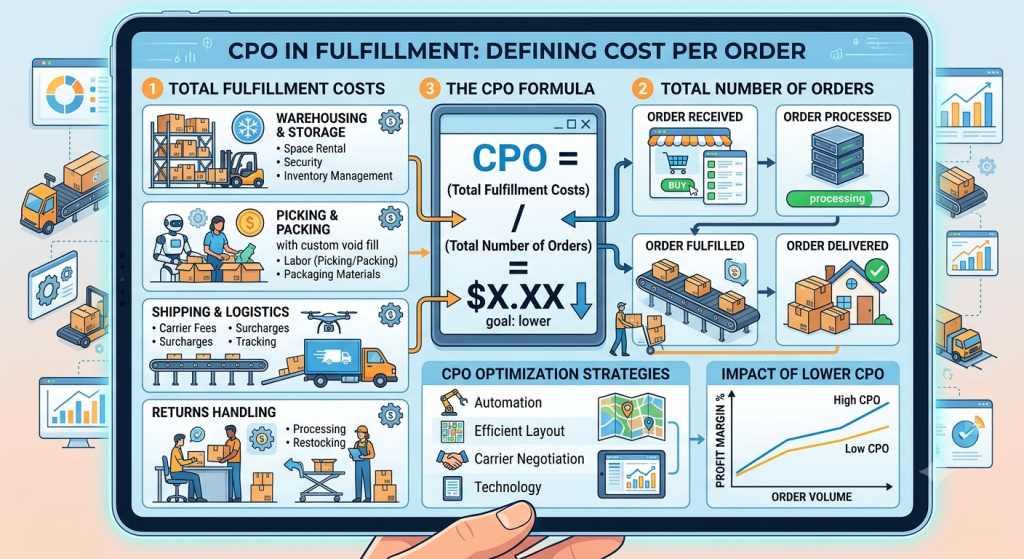
Cost per order (CPO) does. By rolling every fulfillment expense into a single number tied to the unit that actually generates revenue — the order — CPO becomes the clearest lens through which to evaluate a 3PL relationship, price products, and plan for growth. Here’s why it deserves to be the headline metric on every fulfillment dashboard, and how businesses can use it to plan smarter.

E‑commerce Fulfillment, Warehousing

Forward Inventory Placement vs. Backward Inventory Placement: A Strategic Guide

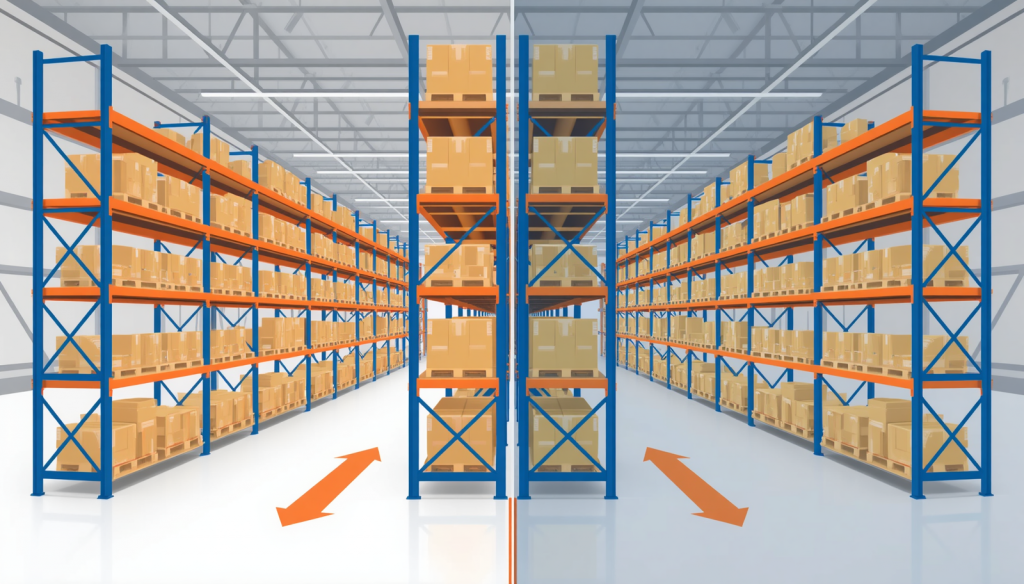
In the world of supply chain management, where customers expect same-day shipping and stockouts can cost a brand its reputation, inventory placement has become one of the most consequential decisions a business can make. Two dominant philosophies govern where and how companies position their stock: forward inventory placement and backward inventory placement. Understanding the differences, benefits, and ideal applications of each can mean the difference between a lean, responsive operation and one that constantly plays catch-up.

E‑commerce Fulfillment, Warehousing

Stop Guessing Your Fulfillment Costs; Introducing Our Pricing Estimator

At HoMart, we know one of the biggest challenges when choosing a 3PL partner is understanding the true cost of fulfillment. Pricing can often feel unclear, with multiple variables like storage, pick & pack, shipping, and additional services all adding up.
That’s why we’ve introduced our Fulfillment Cost Estimator, a simple, transparent tool designed to give you a quick and accurate snapshot of your expected fulfillment costs.

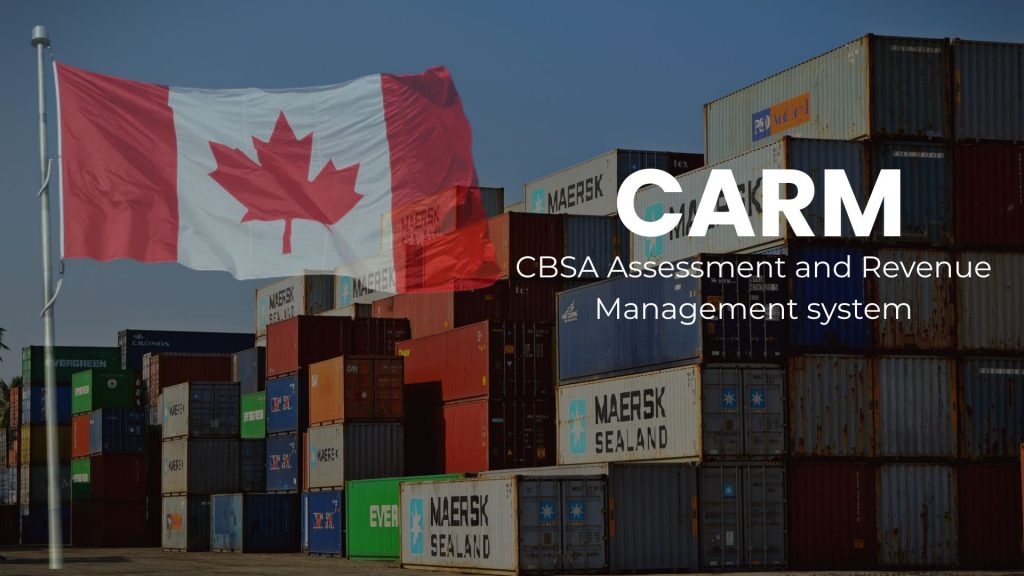
CARM
E‑commerce Fulfillment, Warehousing

CARM & Importing into Canada: What You Actually Need to Know

CARM stands for the CBSA Assessment and Revenue Management system, managed by the Canada Border Services Agency.
Importing into Canada from any country is now more structured with the rollout of CARM by the Canada Border Services Agency. For businesses, this isn’t just a compliance change. It’s a shift toward greater visibility, tighter control, and clearer insight across the entire import process.
With the rise of e-commerce, cross-border trade, and fast delivery expectations, companies are no longer treating logistics as a back-end function. It is now a true competitive advantage.

E‑commerce Fulfillment, Warehousing

Third Party Logistics (3PL) Market Growth, Trends & Forecast to 2035

The global Third Party Logistics (3PL) market is experiencing rapid expansion as businesses increasingly outsource logistics operations to improve efficiency, scalability, and customer satisfaction. From transportation management to value-added warehousing, 3PL providers are becoming essential partners in modern supply chains.
With the rise of e-commerce, cross-border trade, and fast delivery expectations, companies are no longer treating logistics as a back-end function. It is now a true competitive advantage.

Scroll to Top