Climate-Controlled 3PL Fulfillment:Why Temperature Matters More Than You Think
When most brands evaluate a third-party logistics (3PL) partner, they focus on the obvious metrics: pick-and-pack fees, storage rates, shipping speed, and software integrations. What often gets overlooked until it becomes an expensive problem is the environment inside the warehouse itself. For a growing category of products, the difference between a standard warehouse and a climate-controlled facility is the difference between a five-star review and a refund request.
Climate-controlled 3PL fulfillment refers to warehousing and order fulfillment services performed in facilities where temperature, and often humidity, are actively regulated year-round. It is not the same as refrigerated or cold-chain storage, which serves frozen and perishable goods. Climate control typically means maintaining a stable ambient range, commonly between 15°C and 27°C (roughly 55°F to 80°F), with humidity kept within safe limits regardless of the season outside.
The Hidden Cost of Uncontrolled Storage
A standard warehouse is, in many ways, just a large steel box. In summer, interior temperatures can climb 10 to 15 degrees above the outdoor reading, easily exceeding 40°C near the roofline. In winter, unheated sections can drop below freezing. Humidity swings are even more punishing, and in climates with hot, humid summers and harsh, dry winters, inventory can cycle through extreme conditions multiple times a year.
For durable goods like steel hardware or plastic storage bins, this rarely matters. But a surprisingly wide range of products degrades quietly in these conditions:
- Cosmetics and skincare. Creams separate, lipsticks soften and deform, and active ingredients in serums break down when exposed to heat. A customer who receives a melted or separated product doesn’t blame the warehouse; they blame the brand.
- Supplements and vitamins. Heat and humidity accelerate the degradation of active compounds. Gummies fuse into a single block, softgels stick together, and probiotics lose potency. Many supplement labels specify storage below 25°C, which means an uncontrolled warehouse may technically void the product’s own storage instructions.
- Chocolate, confectionery, and specialty foods. Chocolate blooms and loses its snap above 24°C. Shelf-stable foods can still suffer texture and flavour changes when stored through temperature extremes.
- Wooden products and natural materials. Wood is hygroscopic; it absorbs and releases moisture with the surrounding air. Cutting boards, utensils, and wooden housewares can warp, crack, or split when humidity swings widely. Bamboo, leather, cork, and natural-fibre textiles face similar risks, along with the threat of mould in damp conditions.
- Candles, adhesives, and wax-based goods. Candles soften, lose their shape, or sweat oils in heat. Adhesives on packaging, labels, and products themselves can fail.
- Electronics and batteries. Extreme cold and heat both shorten battery life, and condensation from rapid temperature changes can damage circuitry.
- Vinyl records, artwork, paper goods, and collectibles. Warping, foxing, and moisture damage can destroy value in categories where condition is everything.
The financial damage rarely shows up as a single dramatic loss. It shows up as a slow bleed: a slightly elevated return rate, a cluster of one-star reviews mentioning “arrived melted” or “warped out of the box,” inventory write-offs at cycle count, and chargebacks from marketplaces. For sellers on Amazon, product condition complaints can escalate into listing suppressions or account health issues, which cost far more than the damaged units themselves.
What Climate-Controlled Fulfillment Actually Involves
A properly run climate-controlled 3PL does more than install air conditioning. Key elements include:
- Continuous monitoring. Temperature and humidity sensors placed throughout the facility, not just at the thermostat, with logged data and alerts when readings drift out of range. Documentation matters, especially for brands that need to demonstrate compliance for regulated products.
- Humidity management. Dehumidification in summer and, in dry winter climates, humidification to prevent materials like wood from drying out and cracking. For many product categories, stable humidity is more important than stable temperature.
- Zoned storage. Larger facilities may offer different environmental zones, allowing a supplement brand and a candle brand to each get conditions suited to their products without paying for full cold storage.
- Dock and receiving discipline. Climate control is only as good as its weakest point. Products sitting on a dock in July heat for hours before putaway can be damaged before they ever reach the racks. Good operators move temperature-sensitive receipts quickly and keep dock doors managed.
- Compliant handling for regulated categories. Health products, natural health products, and certain foods may fall under regulatory storage requirements. A 3PL that understands these obligations protects the brand’s compliance posture, not just its inventory.
Weighing the Cost
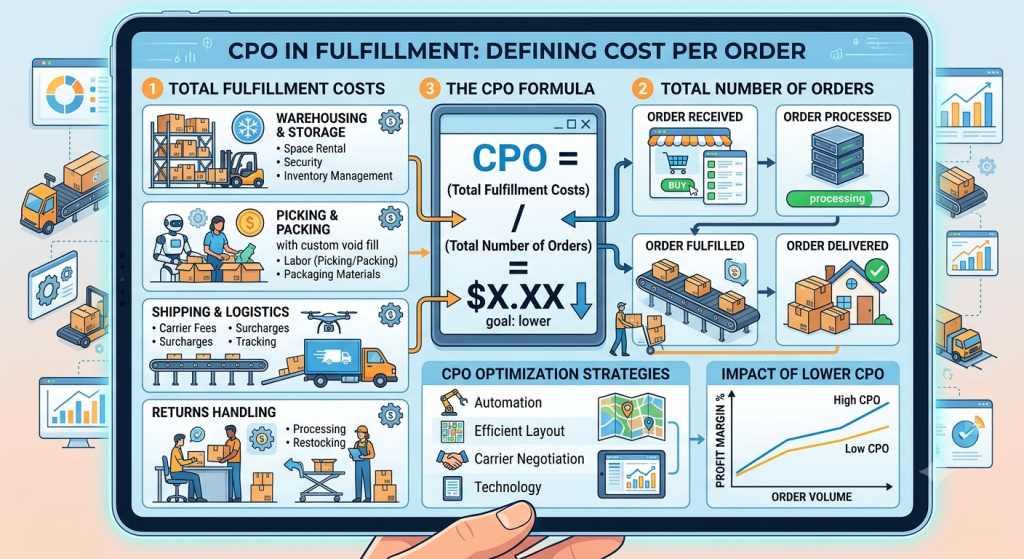
Climate-controlled storage typically carries a premium over standard ambient warehousing, often in the range of 15 to 40 percent on storage fees depending on the market and the level of control required. The right way to evaluate that premium is not against the storage line item alone, but against total cost per order and total cost of quality.
Consider a brand paying an extra few cents per unit per month for controlled storage. If that investment reduces heat-related returns by even one or two percentage points, prevents a seasonal inventory write-off, and protects review ratings that drive conversion, the premium usually pays for itself many times over. Conversely, a brand selling hardware or ceramics may gain nothing from the upgrade and should not pay for it. The decision is category-driven, not universal.
Questions to Ask a Prospective 3PL
Before signing with any fulfillment partner for temperature-sensitive goods, ask:
- What temperature and humidity ranges do you guarantee, and how are they documented?
- Is the entire facility controlled, or only certain zones? Where would my inventory sit?
- How are receiving docks and staging areas handled during extreme weather?
- Can you provide sensor logs or environmental reports on request?
- What is your protocol if conditions drift out of range?
- Do you carry insurance that covers environmental damage to stored goods?
Vague answers to these questions are themselves an answer.
Climate-controlled 3PL fulfillment is not a luxury add-on; for the right product categories, it is basic risk management. Every unit that leaves the warehouse in the same condition it arrived protects margin, reviews, marketplace standing, and brand trust. For brands selling anything that melts, warps, degrades, or absorbs moisture, the real question is not whether climate control is worth the premium — it is whether you can afford to keep shipping without it.