
The global Third Party Logistics (3PL) market is experiencing rapid expansion as businesses increasingly outsource logistics operations to improve efficiency, scalability, and customer satisfaction. From transportation management to value-added warehousing, 3PL providers are becoming essential partners in modern supply chains.
With the rise of e-commerce, cross-border trade, and fast delivery expectations, companies are no longer treating logistics as a back-end function. It is now a true competitive advantage.
What’s Driving the 3PL Market?
E-commerce and Fulfillment Demand
E-commerce growth continues to push logistics providers to scale rapidly. Around 61% of online retailers depend on third-party fulfillment networks to manage high order volumes and fast delivery expectations.
Need for Operational Efficiency
Businesses are outsourcing logistics to reduce complexity and improve performance:
58% prioritize external logistics partners
55% focus on real-time tracking and visibility
Technology and Automation
Modern 3PL providers are investing heavily in:
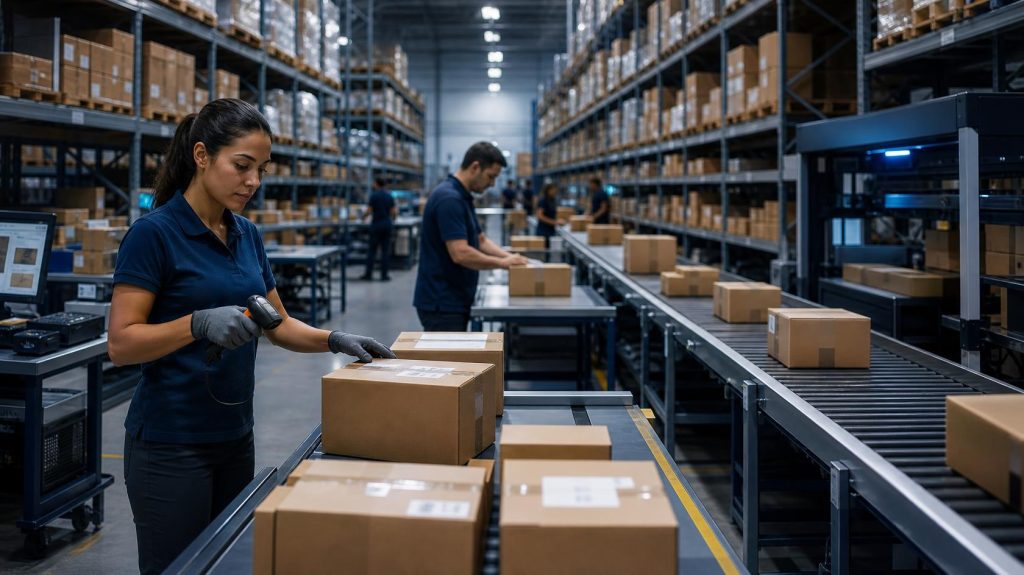
Warehouse automation including robotics and smart picking
Transportation management systems
Real-time tracking tools
This leads to faster delivery, fewer errors, and better customer experiences.
Sustainability and Green Logistics
Sustainability is becoming a key decision factor:
49% of providers are implementing eco-friendly transport
44% of warehouses use energy-efficient systems
58% of companies prefer environmentally responsible partners
Market Size & Growth Outlook
The global 3PL market was valued at USD 1,4 Tillion in 2025 and is projected to grow significantly:
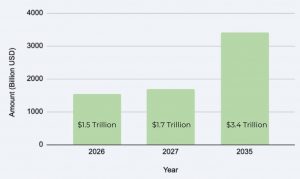
This represents a strong CAGR of 9.2% from 2026 to 2035, driven by increasing demand for outsourced logistics and supply chain optimization.
Today:
62% of manufacturers outsource logistics operations
57% of retailers rely on 3PL partners
54% of logistics providers are investing in digital systems
48% are adopting warehouse automation
Market Segmentation
By Service Type
Transportation (60% Market Share)
Transportation remains the largest segment, valued at USD 846.01 billion in 2025.
Key services include:
Freight forwarding
Last-mile delivery
Route optimization
Cross-border logistics
This segment is growing at a CAGR of 9.4%, fueled by rising global trade and delivery demand.
Value-Added Warehousing and Distribution
This segment is gaining traction as businesses prioritize:
Inventory optimization
Automated order fulfillment
Integrated supply chain visibility
By Application
Automotive (30% Share)
Market size: USD 423.01 billion (2025)
58% of manufacturers outsource logistics
Growth driven by global production and distribution complexity
Healthcare and Pharmaceuticals (24% Share)
Market size: USD 338.40 billion
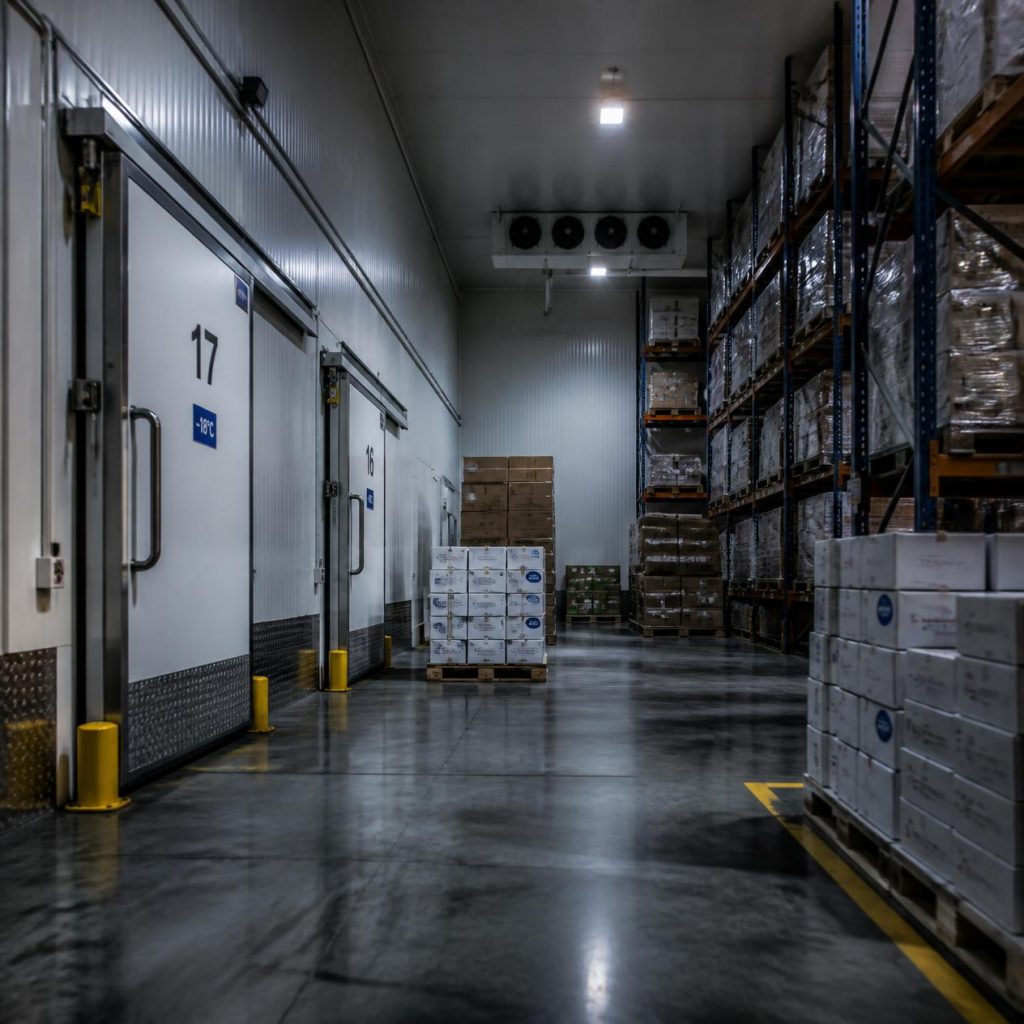
Requires temperature-controlled logistics and regulatory compliance
Fastest-growing segment with a CAGR of 9.6%
Other Industrial Sectors (46% Share)
Includes retail, electronics, and consumer goods:
61% outsource logistics operations
50% rely on 3PL for omnichannel fulfillment
Industry Trends Shaping the Future
Digital Supply Chains
Over 54% of logistics providers are implementing digital platforms for:
Predictive planning
Inventory automation
Data-driven decision-making
Warehouse Automation
Around 52% of warehouses are adopting:
Robotics
Automated storage systems
Smart inventory tracking
Real-Time Visibility
Approximately 61% of companies are investing in real-time tracking to improve transparency and customer experience.
Last-Mile Innovation
Growing demand for fast delivery is pushing:
Route optimization
Urban distribution hubs
Smart fleet management
Recent Industry Developments
Leading logistics companies are actively investing in innovation:
FedEx expanded automated distribution centers, boosting sorting capacity by 35%
UPS enhanced digital analytics for real-time shipment visibility
DSV implemented robotic picking systems, improving accuracy by 32%
Kuehne + Nagel introduced predictive logistics platforms
XPO Logistics launched smart route optimization systems
Challenges in the 3PL Market
Despite strong growth, the industry faces key challenges:
Fragmented systems with 39% reporting inefficiencies due to poor integration
Rising costs with 42% facing pressure from increasing transportation expenses
Infrastructure limitations, especially in the last-mile delivery
Regional Insights
The market spans across:
North America
Europe
Asia-Pacific
South America
Middle East and Africa
The U.S. leads in adoption, with:
66% of online retailers use 3PL services
58% of providers are investing in warehouse automation
Final Takeaway
The 3PL market is no longer just about moving goods. It is about speed, technology, and scalability.
Companies that leverage strong 3PL partnerships gain:
Faster delivery times
Lower operational costs
Better customer experience
Scalable growth across regions
As we move toward 2035, the businesses that win will be the ones that treat logistics as a strategic growth engine rather than just an operational necessity.
Want to Scale Your Fulfillment?
If you are planning to grow your e-commerce or distribution operations, the right 3PL partner can make all the difference.
From warehousing to cross-border fulfillment, aligning with a logistics provider that offers speed, visibility, and flexibility is key to staying competitive.