Peak seasons don’t happen just once a year. Whether it’s spring promotions, summer sales, back-to-school, Black Friday, or unexpected viral demand, e-commerce brands today face constant surges in order volume.
What looks like growth on the surface can quickly turn into operational pressure if your fulfillment isn’t built to handle it.
The real challenge isn’t just increased orders. It’s unpredictability. One campaign can double your volume overnight. A trending product can wipe out inventory faster than expected. Without the right systems in place, these moments don’t feel like opportunities. They feel like chaos. That’s where many growing brands hit a ceiling.
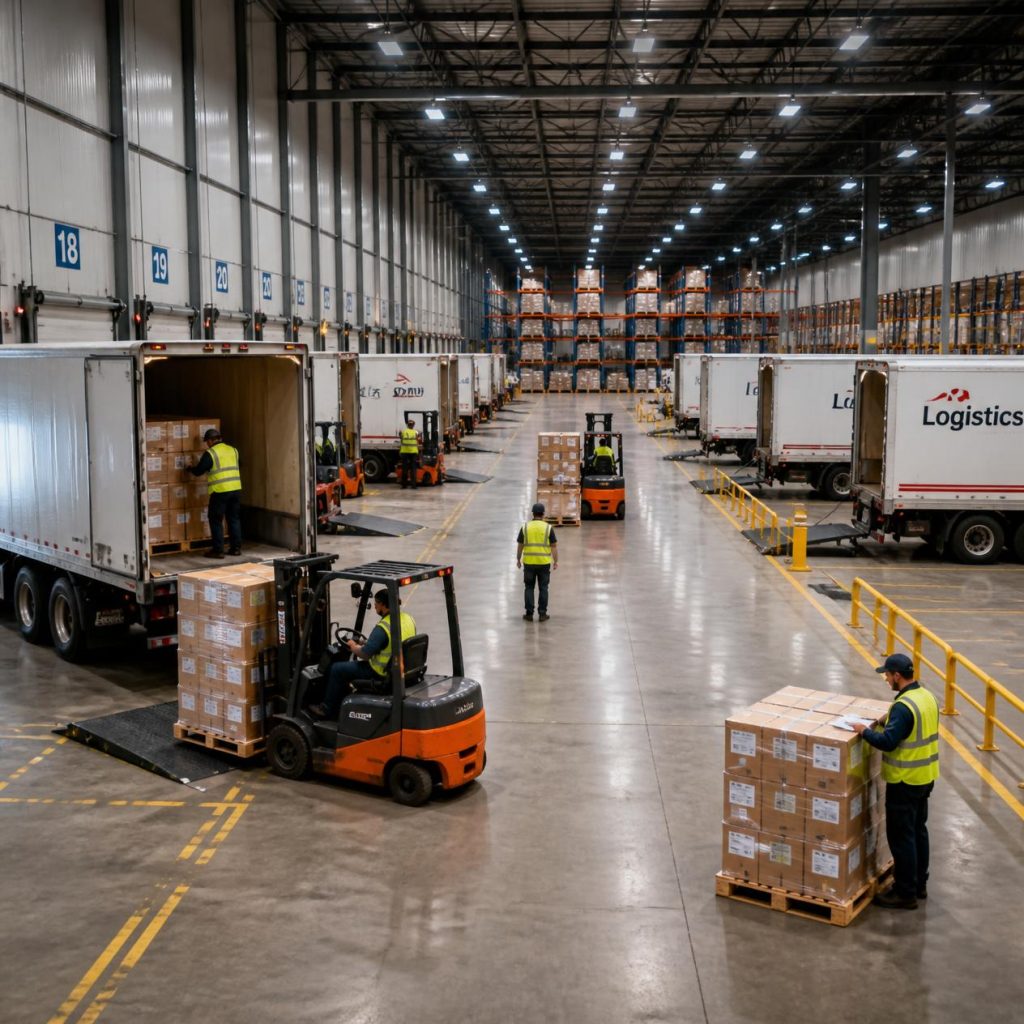
One of the first things to evaluate is whether your current setup can realistically handle two to three times your normal volume. It’s easy to operate when orders are steady, but surges expose inefficiencies fast. Picking slows down, packing stations get congested, and shipping deadlines start slipping. If your fulfillment relies heavily on manual processes, scaling becomes difficult very quickly.
Inventory visibility becomes even more critical during peak periods. Selling across multiple platforms without real-time synchronization often leads to overselling or stockouts. Both of these damage customer trust and create unnecessary operational stress. Fast-growing brands rely on centralized systems that give them accurate, live inventory data across all channels so they can sell confidently without disruptions.
Shipping speed is no longer optional. During peak demand, customers still expect fast, reliable delivery. Delays don’t just impact operations. They impact your conversion rates, customer satisfaction, and long-term retention. Fulfillment is no longer just a backend function. It directly shapes your customer experience.
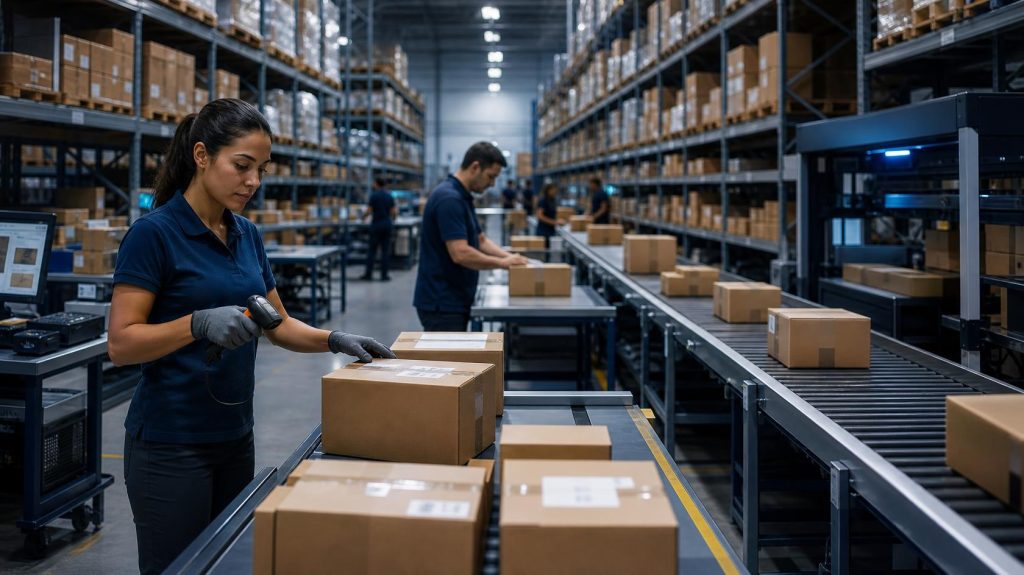
Packing efficiency is another area where most businesses struggle under pressure. Without standardized workflows, teams waste time deciding packaging, correcting mistakes, or managing inconsistent processes. Scalable brands remove this friction by pre-planning packaging, pre-kitting high-volume SKUs, and reducing the number of touchpoints per order.
Many businesses try to push through surges by hiring temporary staff or extending work hours. While that may help temporarily, it’s not a scalable solution. It often leads to higher costs, more errors, and team burnout. Growth should feel controlled, predictable, and repeatable.
Key Signs You’re Not Ready for a Surge
- You rely on manual order processing or spreadsheets
- Inventory updates are delayed or inconsistent
- Orders start falling behind when volume increases
- Shipping costs are rising without clear control
- Your team feels overwhelmed during peak periods
If this sounds familiar, it’s not just a seasonal issue. It’s a scalability gap.
What Scalable Fulfillment Looks Like
- Real-time inventory tracking across all sales channels
- Streamlined pick-and-pack processes with minimal errors
- Optimized shipping strategies to reduce costs and delivery times
- Flexible capacity to handle sudden spikes in order volume
- Systems built for growth, not just day-to-day operations
How HoMart Logistics and Fulfillment Helps You Handle Every Surge
At HoMart Logistics and Fulfillment, the goal isn’t just to help you ship orders. It’s to make sure your operation is ready for any surge, planned or unexpected.
We help brands:
- Scale instantly without hiring or expanding warehouse space
- Reduce operational costs through optimized workflows and carrier rates
- Improve delivery times with strategically managed inventory placement
- Eliminate bottlenecks with efficient pick, pack, and ship processes
- Gain full visibility with integrated systems and real-time tracking
Instead of reacting every time demand spikes, you’re set up to handle it smoothly and consistently.
Final Thought
Surges aren’t rare anymore. They’re part of growth.
The brands that win aren’t the ones scrambling to keep up. They’re the ones prepared to scale at any moment.
If your ecommerce fulfillment starts to break every time order volume increases, it’s a sign your operation isn’t built for where your business is going. The right setup doesn’t just help you manage demand. It puts you in a position to capitalize on it.