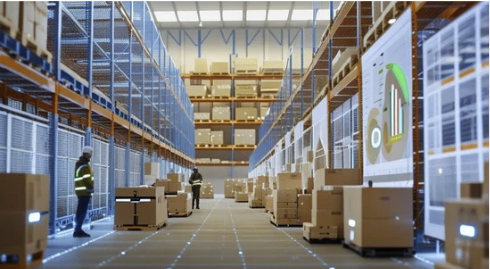
Auto fulfillment goes far beyond simply automating shipping labels or syncing orders. For modern e-commerce brands, it means creating a fully connected fulfillment ecosystem where orders move from checkout to delivery with minimal manual intervention. The moment a customer places an order, the system automatically pulls the order into the warehouse, verifies inventory in real time, selects the optimal shipping method, and triggers pick, pack, and ship workflows. This reduces human error, speeds up processing, and ensures a consistent customer experience across all sales channels.
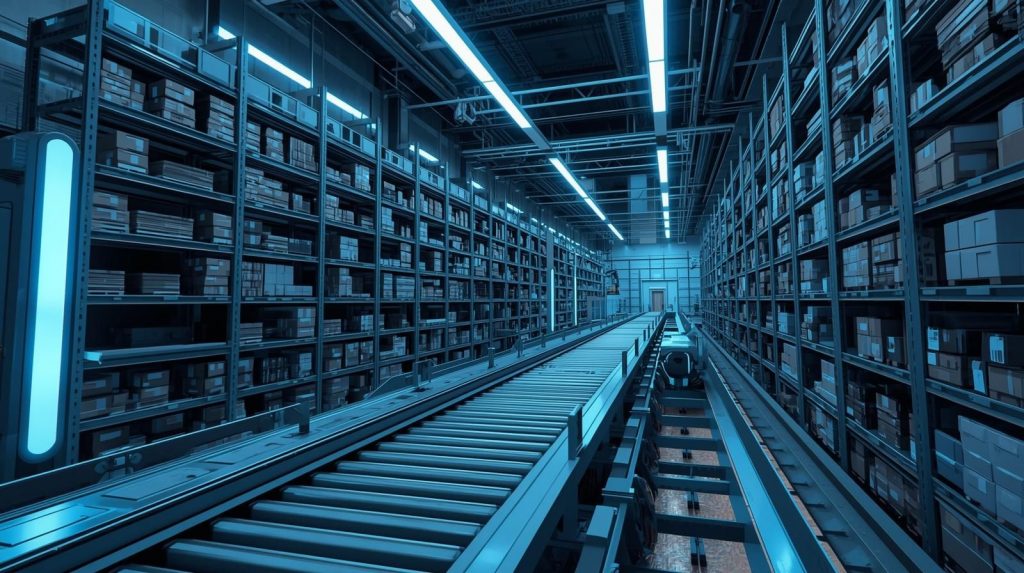
At the warehouse level, auto fulfillment relies on smart processes and technology working together. Inventory is updated instantly as orders are processed, preventing overselling and stock discrepancies. Orders are prioritized based on service levels, cut-off times, and destination zones, allowing same-day or next-day fulfillment without chaos on the warehouse floor. For brands selling on multiple platforms like Shopify, Amazon, Walmart, or direct-to-consumer sites, automation ensures all channels stay aligned without the need for constant manual reconciliation.
From a business growth perspective, auto fulfillment is a scalability engine. As order volumes increase during peak seasons, product launches, or promotions, automated workflows absorb the surge without requiring additional internal resources. Brands gain access to optimized carrier rates, faster delivery timelines, and built-in shipping insurance, all while maintaining visibility through dashboards and reporting tools.
The result is lower operational overhead, predictable costs, and the ability to focus on marketing, product development, and customer acquisition—while fulfillment runs quietly and efficiently in the background.